When you shop for internet in Kenya, you will usually choose between two technologies: fibre optic internet and wireless internet (fixed wireless or mobile data). Both can get you online, but they behave very differently when it comes to speed, reliability and cost. Here is a clear comparison to help you decide.
What is fibre internet?
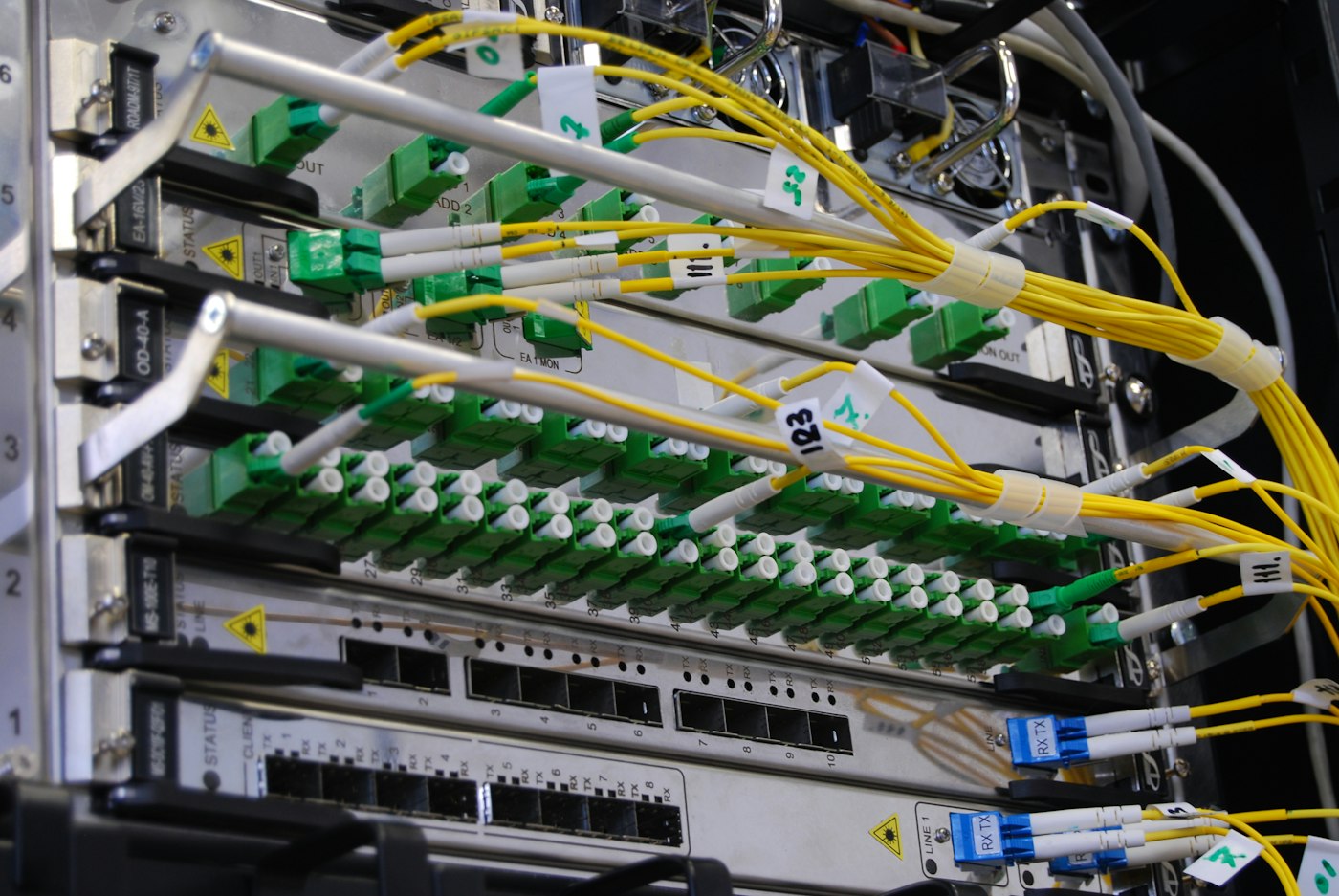
Fibre internet sends data as pulses of light through thin strands of glass. Because light travels quickly and is not affected by electrical interference, fibre delivers high speeds over long distances with very little loss. A fibre cable runs from the provider’s network to your building, and a router inside turns that signal into Wi‑Fi for your devices.
What is wireless internet?
Wireless internet uses radio signals instead of a cable. Fixed wireless sends a signal from a tower to a small receiver on your roof, while mobile internet uses the same 4G or 5G network as your phone. Wireless is quick to set up and useful in areas without cables, but the signal can be affected by distance, obstacles, weather and how many people are sharing the same tower.
Fibre vs wireless: side-by-side
Speed
Fibre wins clearly. It can deliver anything from home packages to 1 Gbps dedicated links, with upload speeds that keep up with downloads. Wireless speeds vary with signal strength and usually drop at busy times.
Reliability
Fibre is far more stable. Rain, trees and new buildings do not affect a fibre connection, and speeds stay consistent through the day. Wireless connections can fluctuate, which is noticeable on video calls and online classes.
Latency
Latency is the delay before data starts moving. Fibre has very low latency, which makes video calls, online gaming and cloud apps feel smooth. Wireless latency is higher and less predictable.
Cost
Fibre home packages in Kenya are now very competitive, and because they are unlimited you avoid the cost of constantly buying data bundles. Mobile data can look cheap at first but becomes expensive for streaming, work and study.
Coverage and setup
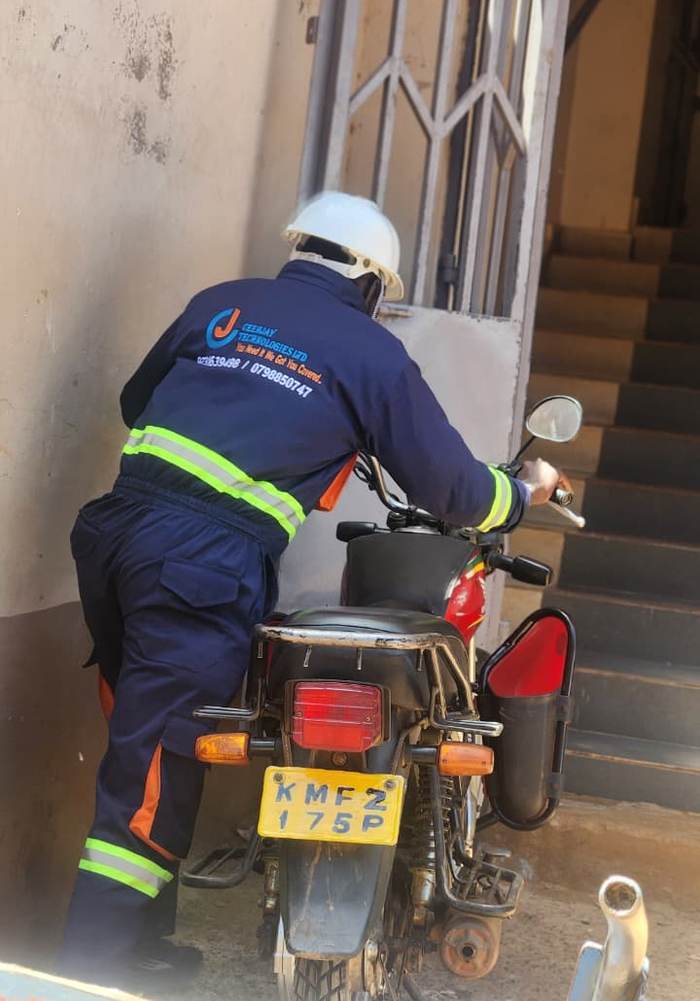
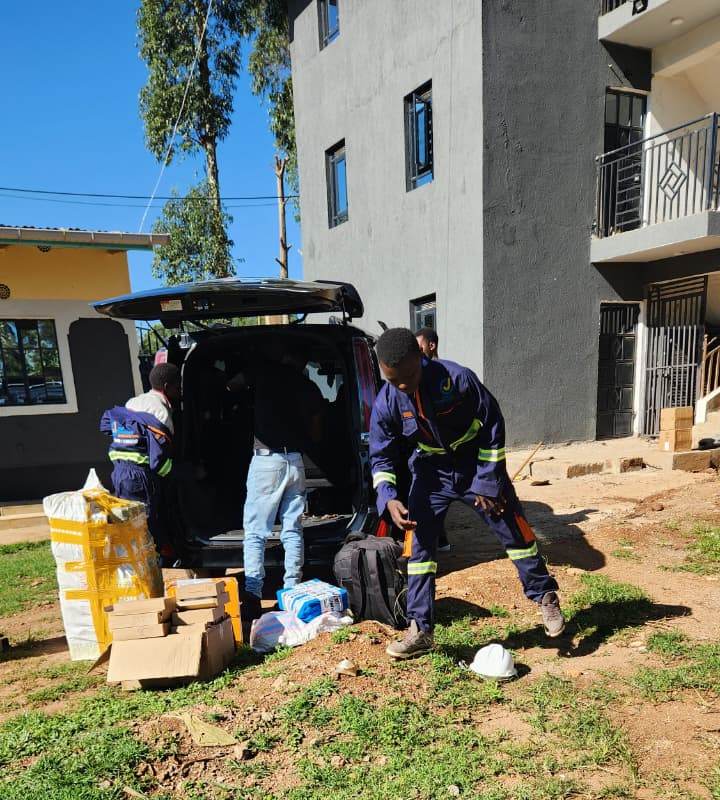
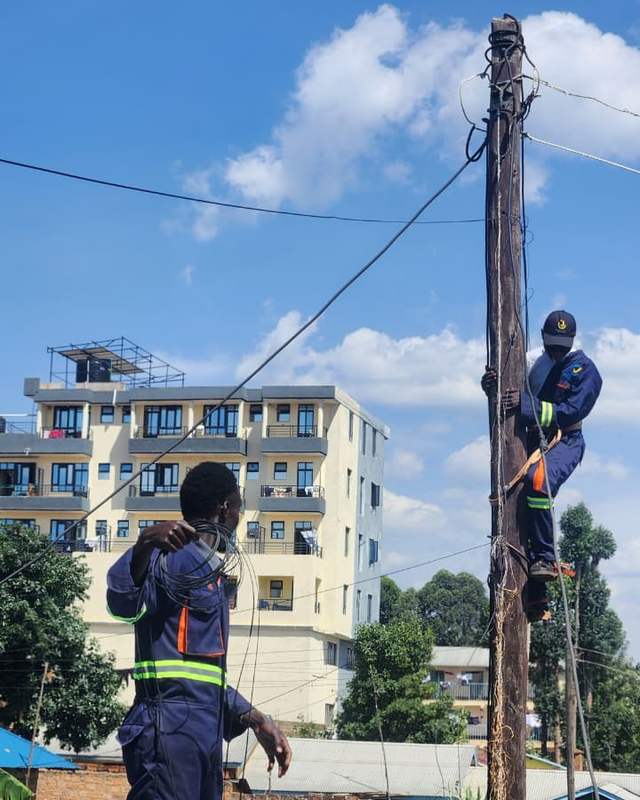
Wireless can reach places where fibre has not been laid yet, and setup can be immediate. Fibre needs a cable to your building, but providers with their own installation crews, like Ceehjay, can often connect homes within 24 hours.
Which should you choose?
- Choose fibre if you work or study from home, stream on several devices, run a business, or simply want internet that just works.
- Choose wireless as a temporary option, for remote sites without fibre, or as a backup link for a business.
Many businesses use both: fibre as the main connection and wireless as a failover in case of an outage. Our team can design this setup as part of our enterprise networking services.
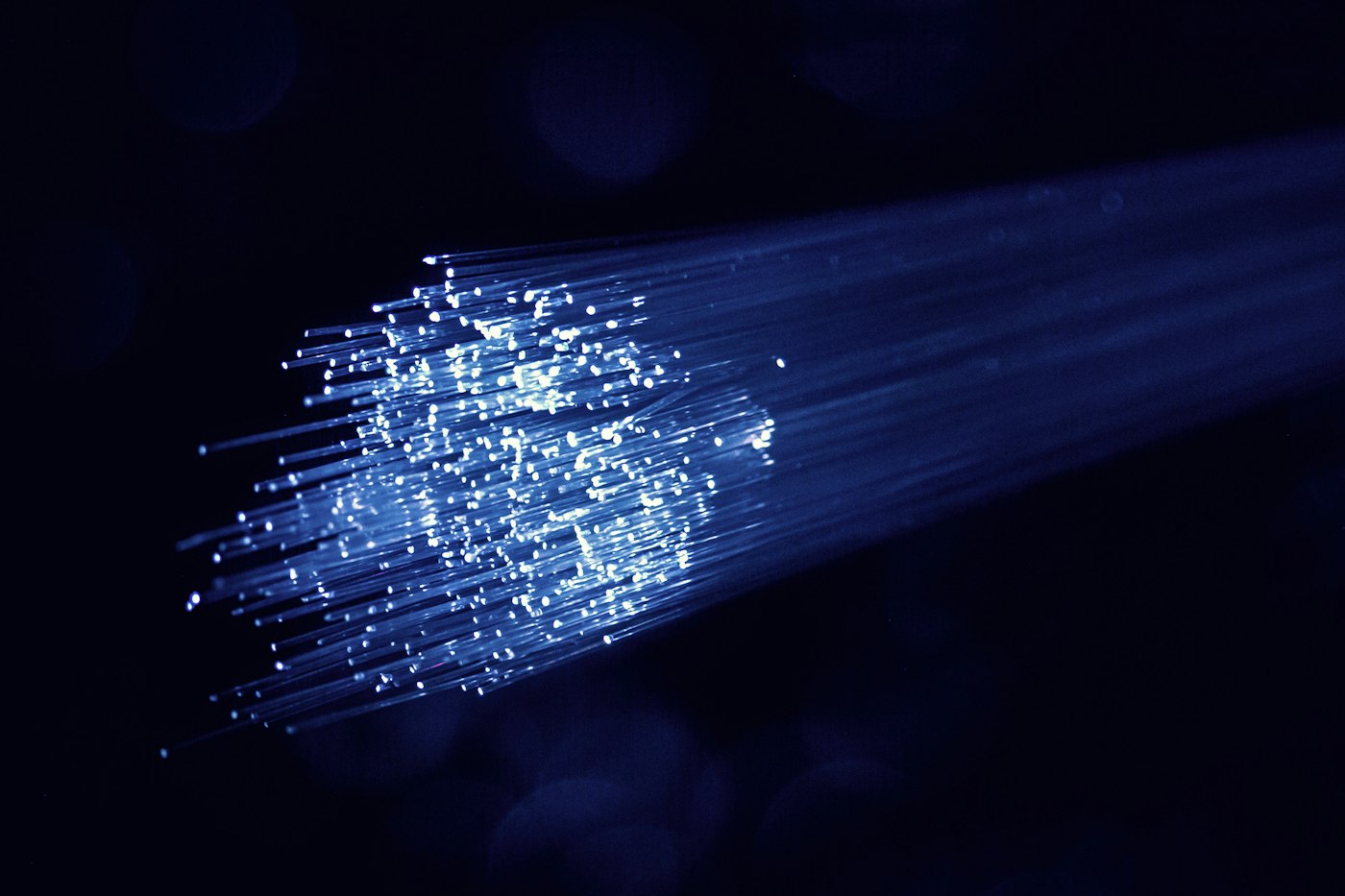
Fibre installation with Ceehjay
Ceehjay provides fibre-powered home Wi‑Fi, fibre and structured cabling for buildings, and dedicated capacity for businesses and ISPs. See our pricing or call us to check coverage in your area.
Check if fibre is available where you are. Contact our team
Frequently asked questions
Is fibre faster than 4G or 5G in Kenya?
In everyday use, yes. Fibre gives consistent speeds and low latency, while mobile speeds change with signal strength and network traffic.
Does rain affect fibre internet?
No. Fibre uses light inside glass cables, so rain and weather do not interfere with the signal.
Can I get fibre in an apartment?
Yes. Many apartment blocks can be connected. Landlords can also partner with Ceehjay to wire the whole building.