A well-planned CCTV system helps protect your home, business and property, deters crime and gives you evidence if something goes wrong. But with so many cameras and options on the market, it is easy to spend money on a system that does not do what you need. This buyer’s guide explains what to consider before you install CCTV in Kenya.
1. Start with what you need to protect
Walk around your property and list the areas that matter most: gates, doors, parking, the reception, cash points, stores and perimeter walls. Decide whether you need to identify faces and number plates, or just see general activity. This determines the type and number of cameras you need.
2. Choose the right camera types
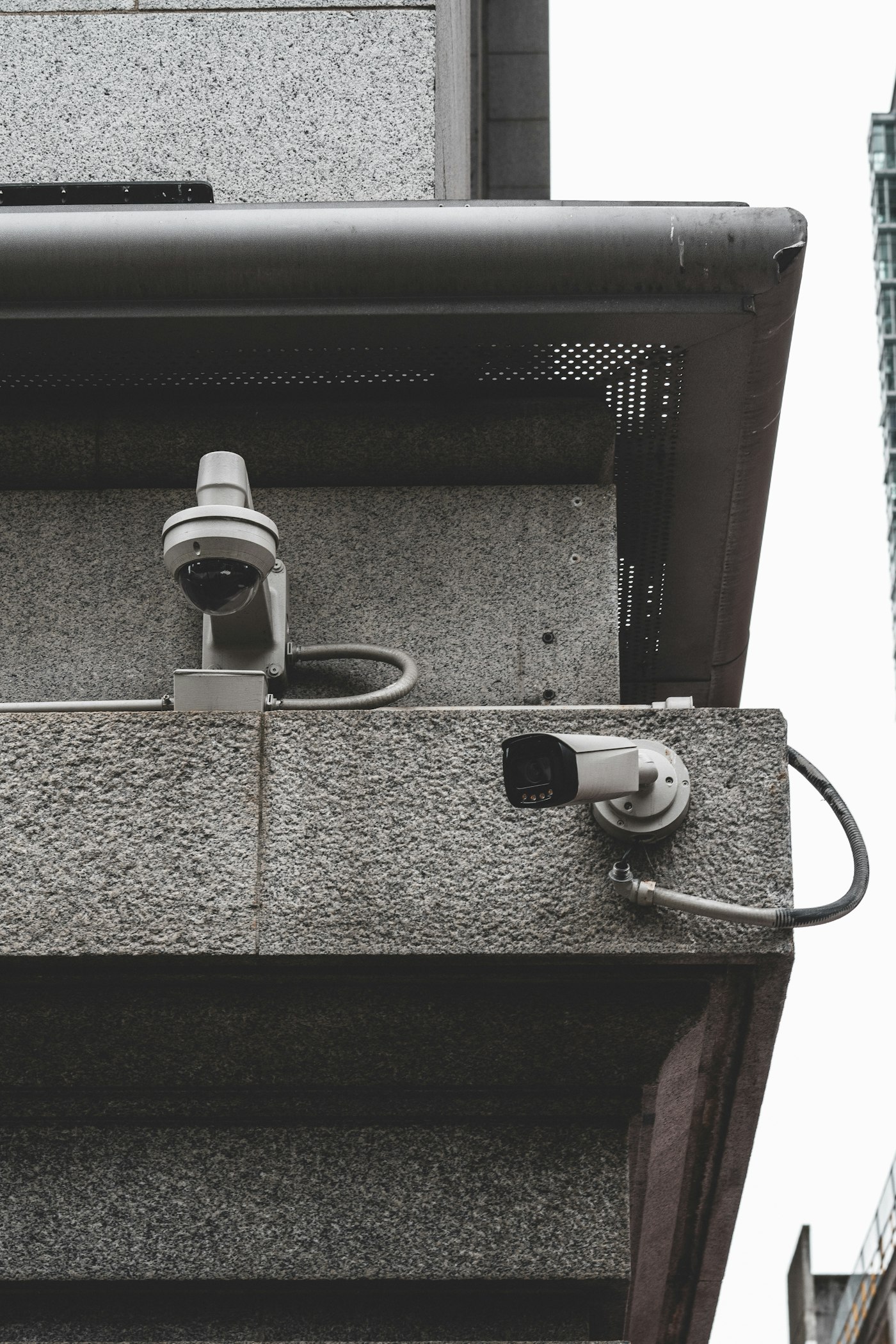
- Dome cameras suit indoor spaces and covered areas. They are discreet and hard to tamper with.
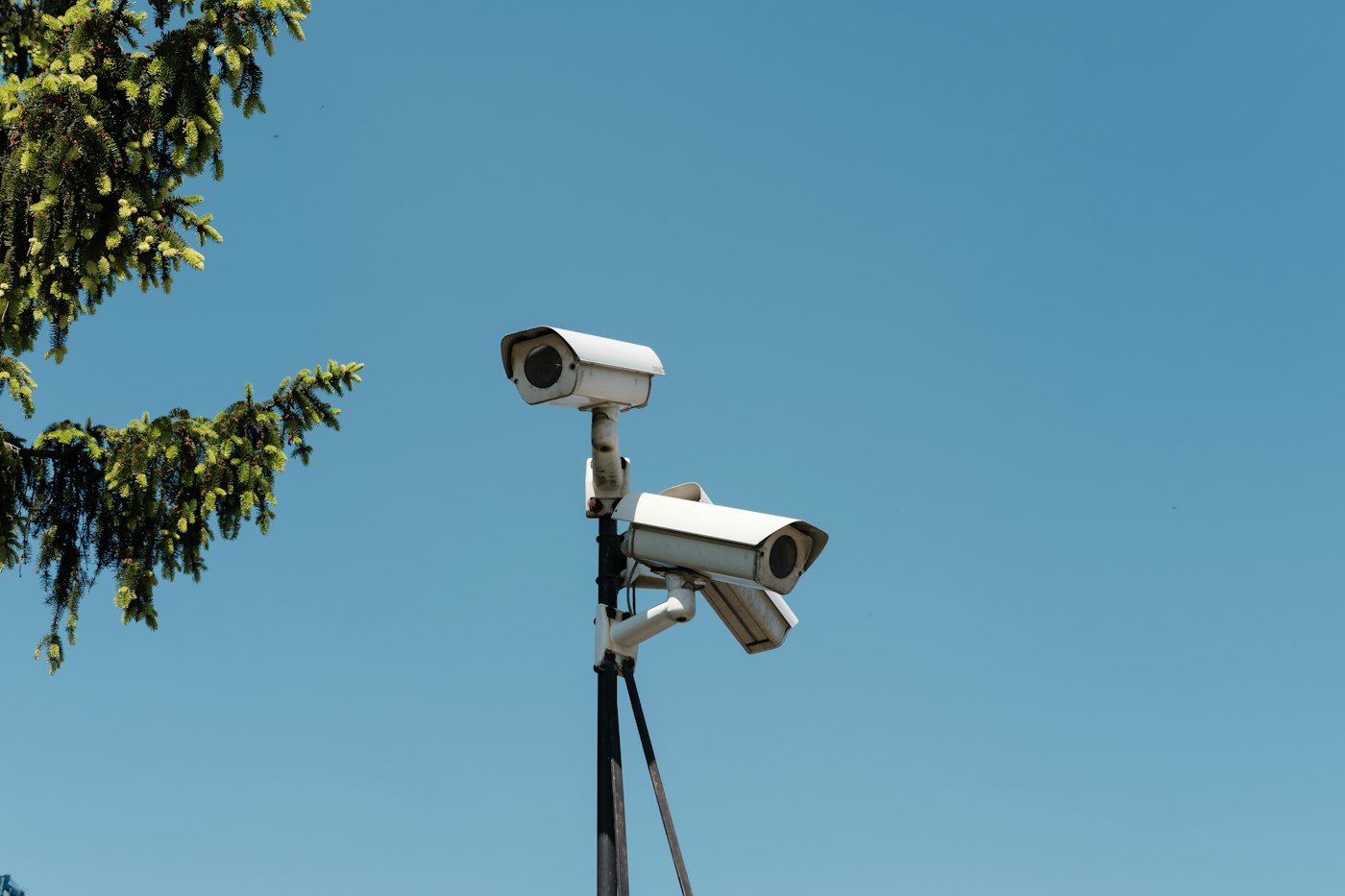
- Bullet cameras are ideal outdoors for long views along walls, driveways and gates.
- PTZ cameras (pan, tilt, zoom) can be controlled remotely to cover large areas such as compounds and car parks.
- IP cameras send high-resolution video over your network and allow advanced features such as motion alerts.
3. Do not overlook night vision and resolution
Most incidents happen at night. Choose cameras with good infrared night vision, and a resolution of at least 1080p (2 MP). For entrances and areas where you need to identify people, 4 MP or higher is better.
4. Plan recording and storage
Cameras connect to a recorder (DVR for analogue systems, NVR for IP systems) with a hard drive that stores footage. Ask how many days of recording the system will keep. For most homes and small businesses, two to four weeks is a good target.
5. Make sure you can view footage remotely
Modern CCTV systems let you watch live and recorded footage on your phone from anywhere. This needs a stable internet connection at the site. Pairing CCTV with reliable fibre internet means you can check on your property at any time.
6. Protect the system’s power
Power outages can switch cameras off exactly when you need them. A UPS or backup power solution keeps your cameras and recorder running. Ceehjay also offers electrical services, so cabling, power and cameras can be installed together.
7. Choose a professional installer
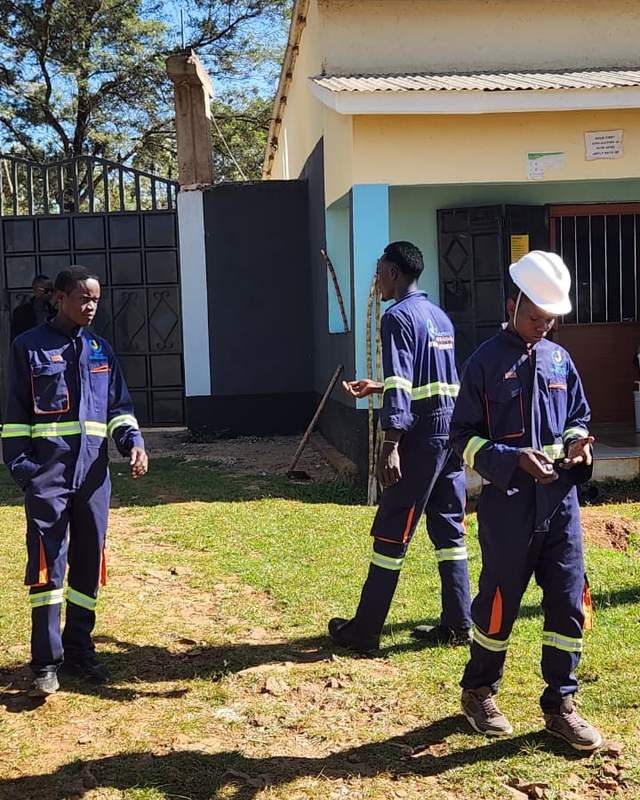
Good installation matters as much as the cameras. A professional installer will survey the site, position cameras for the best coverage, run neat and protected cabling, set up remote viewing and show you how to use the system. Ask any installer about their experience, warranty and after-sales support.
CCTV installation with Ceehjay
Ceehjay designs and installs CCTV systems for homes, offices, schools, apartments and commercial premises. Every project is quoted after a site visit, so you only pay for what your property needs. Learn more about our CCTV installation service.
Get a free CCTV site assessment. Contact us
Frequently asked questions
How many CCTV cameras do I need for my home?
Most homes need four to eight cameras to cover gates, doors, parking and the perimeter. A site survey gives an exact number.
Can I watch my CCTV on my phone?
Yes. With an internet connection at the site, you can view live and recorded footage from your phone.
How much does CCTV installation cost in Kenya?
It depends on the number and type of cameras, storage and cabling. We provide a free quote after a site visit.