Choosing a home internet package in Kenya can feel confusing. Every provider advertises “fast” and “unlimited” Wi‑Fi, but the right package for your home depends on how many people are online, what they do, and how reliable the connection needs to be. This guide explains how to choose the best home Wi‑Fi package in Kenya without paying for speed you will never use, or settling for a connection that slows down every evening.
1. Work out how much speed your household really needs
Internet speed is measured in megabits per second (Mbps). More people and more devices online at the same time need more Mbps. As a simple rule of thumb:
- 10 Mbps suits one or two people browsing, using WhatsApp, social media and streaming video on one screen at a time.
- 15 to 20 Mbps suits a small family streaming on a couple of devices, attending online classes or working from home.
- 30 Mbps and above suits larger households, several people working or studying from home, smart TVs, gaming and frequent large downloads.
Count the devices that will connect at the busiest time of day, usually the evening, and choose a package with some room to spare. It is easier to start slightly higher than to deal with buffering every night.
{{img:router}}2. Choose fibre where you can
Fibre internet carries data as light through glass strands, which makes it faster and far more stable than older copper or mobile connections. A fibre-powered home connection is less affected by weather and network congestion, and it delivers the same speed for downloads and video calls throughout the day. If fibre is available in your estate, it is usually the best long-term choice. Read our comparison of fibre and wireless internet in Kenya to learn more.
3. Check what “unlimited” really means
Before you sign up, ask the provider whether the package is truly unlimited or whether speeds drop after you use a certain amount of data (often called a fair usage policy). A good home Wi‑Fi package in Kenya should give you consistent speed all month, with no surprise throttling.
4. Look at the full cost, not just the monthly price
The monthly fee is only part of the cost. Ask about:
- Installation fees. Some providers charge thousands of shillings to connect you. At Ceehjay, home installation is free.
- Router or equipment costs. Find out whether the router is included or bought separately.
- Contract length. Check whether you are locked in, and what it costs to cancel.
- Relocation fees. If you move often, ask what happens to your connection when you change houses.
5. Ask how fast they can connect you
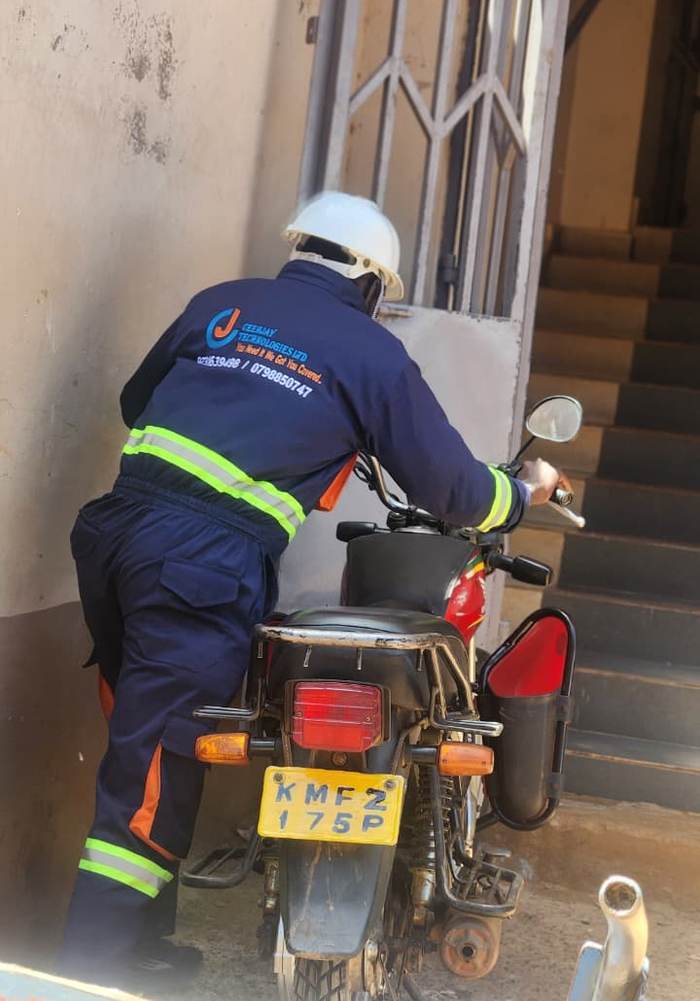
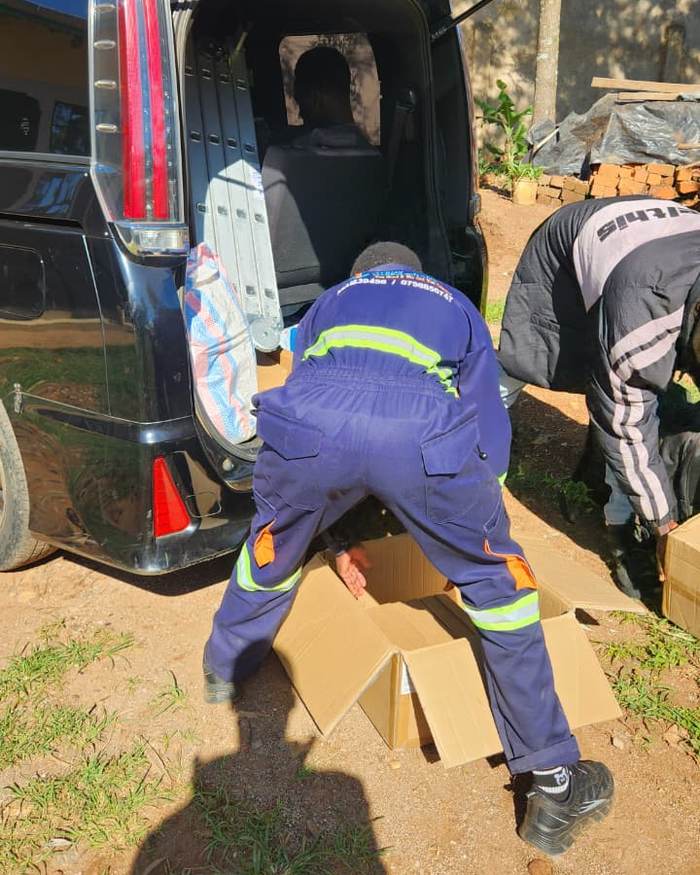
Waiting weeks for installation is frustrating, especially if you work or study from home. Ask the provider for a realistic installation date before you pay. Ceehjay aims to connect homes within 24 hours of an order, using our own trained crews.
6. Make sure support is easy to reach
Every connection needs support at some point. Choose a provider with a local customer care line that answers, and technicians who can visit your home if needed. Save the support number in your phone as soon as you are connected.
Ceehjay home Wi‑Fi packages
Our fibre-powered home packages start from KES 1,500 per month for 10 to 30 Mbps, with free installation and connection within 24 hours. Compare all options on our pricing page, or see everything included in our home Wi‑Fi installation service.
Ready to get connected? Call +254 758 186 031
Frequently asked questions
What is a good internet speed for a home in Kenya?
For most families, 15 to 20 Mbps is enough for streaming, video calls and browsing on several devices. Larger households or people working from home may prefer 30 Mbps or more.
Is home installation free?
With Ceehjay, yes. Home Wi‑Fi installation is free, and we aim to connect you within 24 hours.
Can I upgrade my package later?
Yes. You can move to a faster package as your needs grow. Call customer care on 0731 639 498.