Global internet use has reached 6.3 billion people, or 76% of the world’s population, according to the International Telecommunication Union’s Facts and Figures 2026 report. That is up from 6.1 billion in 2025, but it still leaves about two billion people offline.
A deep digital divide
Internet use is 93% in high-income countries but only 32% in low-income countries.
5G covers 86% of people in high-income countries and just 4% in low-income countries.
Globally, 82% of people in urban areas use the internet, compared with 63% in rural areas.
The GSMA estimates more than 900 million people in Africa were not using mobile internet in 2025.
Kenya’s picture
Kenya has 52.26 million smartphones and 54.93 million mobile broadband subscriptions, and fixed internet connections have grown 32.4% to 2.84 million. But a gap remains: ITU data for 2024 shows internet use at 56.6% in urban Kenya compared with 25% in rural areas.
Closing the gap
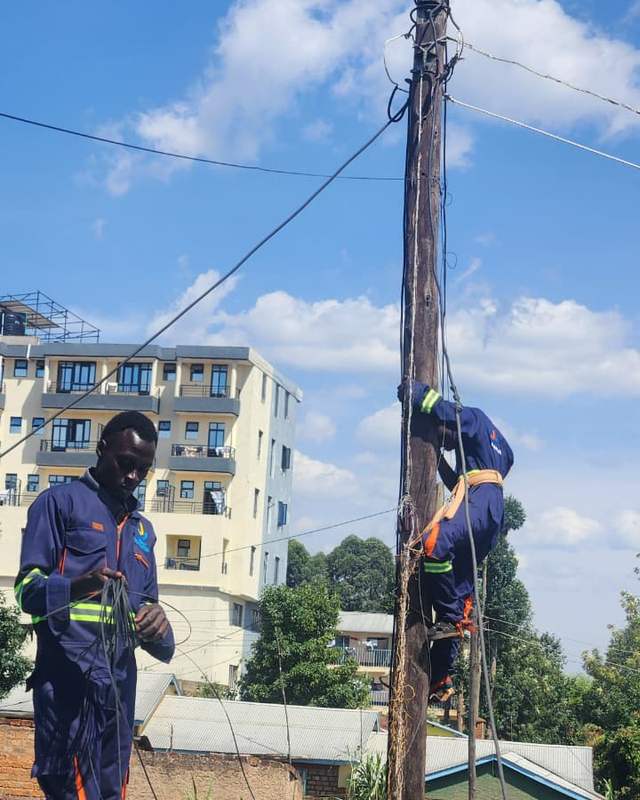
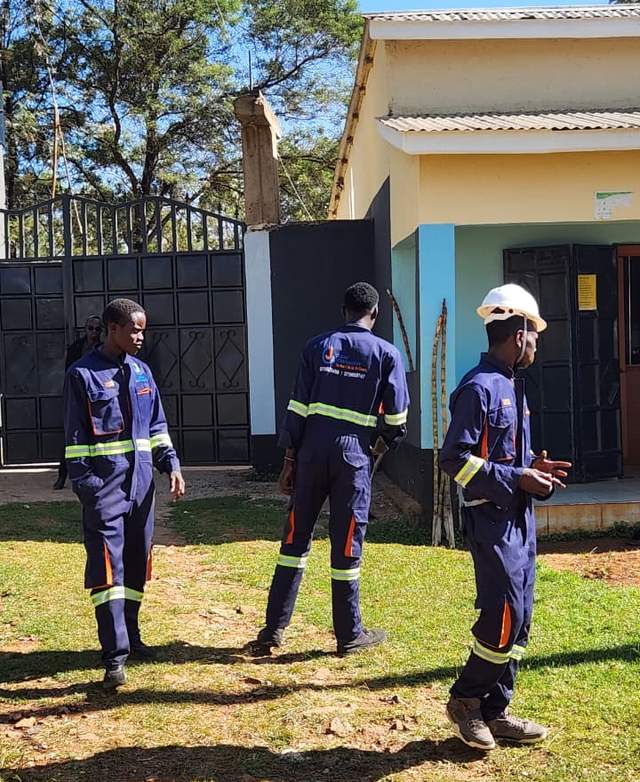
Affordability, infrastructure and digital skills are the biggest barriers. Ceehjay’s Last Mile Connectivity programme tackles all three by bringing fibre-powered Wi‑Fi to campuses and communities, with student internet from KSh 5 per hour.
Ask any tenant in Kenya what they look for in a new home, and reliable internet is now near the top of the list, alongside water, security and location. For landlords and property managers, building-wide Wi‑Fi has become one of the simplest ways to make a property more attractive and competitive.
Internet is now a basic utility
More tenants work from home, study online, run small businesses and stream entertainment. A flat that is already connected saves them the hassle of arranging installation themselves, and saves you from a tangle of cables from different providers running up the walls.
Benefits for landlords
Faster occupancy. Connected units stand out in listings and tend to fill faster.
Happier, longer-staying tenants. Good internet is one less reason for tenants to move out.
A neater building. One professionally installed network replaces messy, uncoordinated cabling.
A modern, competitive property. Wi‑Fi-ready buildings compete better with newer developments.
How building-wide Wi‑Fi works
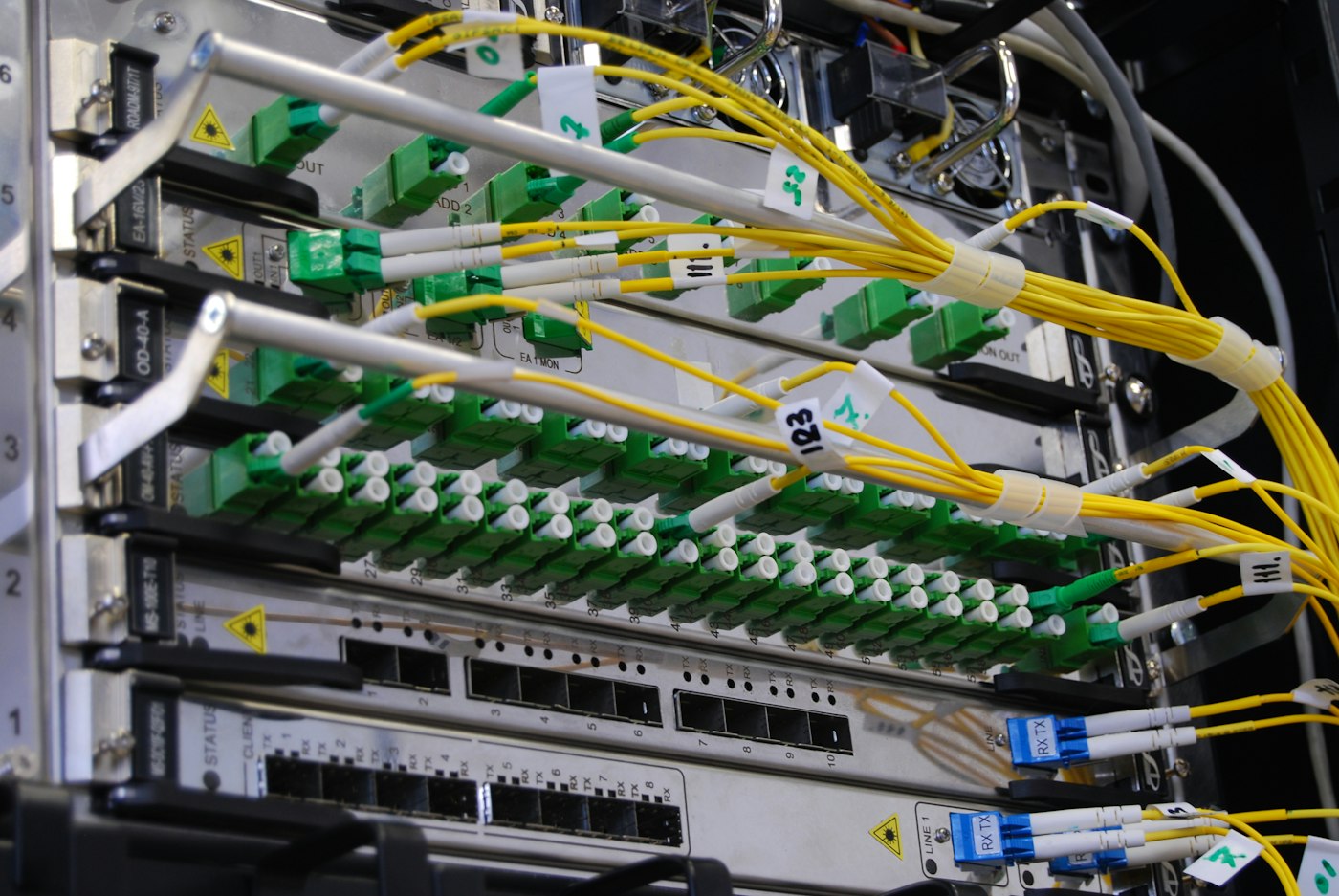
A fibre connection is brought to the building, and structured cabling and access points distribute fast internet to every unit and common area. Each tenant gets their own secure connection and chooses a package that suits them. The provider handles billing and support, so the landlord does not have to.
What to look for in a provider
Fibre-powered connectivity with consistent speeds.
Professional cabling that protects the look of your building.
Affordable packages tenants can choose from.
Responsive local support so tenant issues are resolved quickly.
A clear partnership agreement with no hidden costs for you.
Partner with Ceehjay
Ceehjay works with landlords and property managers to wire apartments, hostels and commercial buildings. Our landlord partnership includes benefits for property owners, and every project starts with a free site inspection. Find out more on our partner with us page, or see our fibre and structured cabling service.
Kenya has deployed more than 30,000 kilometres of fibre optic infrastructure since 2022, reaching all 47 counties, ICT and Digital Economy Principal Secretary John Kipchumba Tanui has said.
Counties take centre stage
The PS spoke at the Second ICT Sector Intergovernmental Consultative Forum in Naivasha, co-chaired by ICT Cabinet Secretary William Kabogo and Elgeyo Marakwet Governor Wesley Rotich, who chairs the Council of Governors ICT committee. He said the next phase depends on counties attracting BPO and data-centre investment, setting up digital work centres and adding digital skills to county programmes.
What was discussed
Progress on resolutions from the first forum.
Preparations for the National ICT Summit 2027.
A proposed County Digital Maturity Index.
The National AI Agenda and a draft Digital Public Infrastructure roadmap.
The forum closed with signed resolutions setting out agreed actions for national and county governments.
What this means for you
Fibre reaching every county opens the door for faster, cheaper internet in towns beyond Nairobi. Ceehjay, with bases in Nairobi and Kisii, works with counties, institutions and landlords to extend this connectivity to the last mile. Learn how to partner with us.
The Government of Kenya has allocated KSh 13 billion to expand the national fibre network by at least 27,000 kilometres under the Kenya Digital Economy Acceleration Project (KDEAP).
Key announcements
ICT and Digital Economy PS John Kipchumba Tanui announced the funding at a pre-bid session in Nairobi, attended by ICT Authority CEO Jessy Maruti.
The funding is designed to attract matching private investment, with gaps filled through reverse auctions.
Since 2022, private operators have added about 24,000 km of fibre and the public sector about 17,000 km.
The long-term goal is more than 8 million fixed broadband connections.
Where Kenya stands today
Communications Authority figures for April to June 2026 show 2.84 million fixed internet connections, 1.57 million of them on fibre, and about 28.95 Tbps of international bandwidth. Combined with a separate 17,000 km project to connect schools, health facilities and government offices, the plan brings Kenya closer to its 100,000 km Digital Superhighway target.
What this means for you
More fibre in the ground means more estates, towns and campuses can get fast, affordable internet. Local providers like Ceehjay build the last-mile connections that take this backbone into homes and institutions. Find out how we install fibre and structured cabling.
A well-planned CCTV system helps protect your home, business and property, deters crime and gives you evidence if something goes wrong. But with so many cameras and options on the market, it is easy to spend money on a system that does not do what you need. This buyer’s guide explains what to consider before you install CCTV in Kenya.
1. Start with what you need to protect
Walk around your property and list the areas that matter most: gates, doors, parking, the reception, cash points, stores and perimeter walls. Decide whether you need to identify faces and number plates, or just see general activity. This determines the type and number of cameras you need.
2. Choose the right camera types
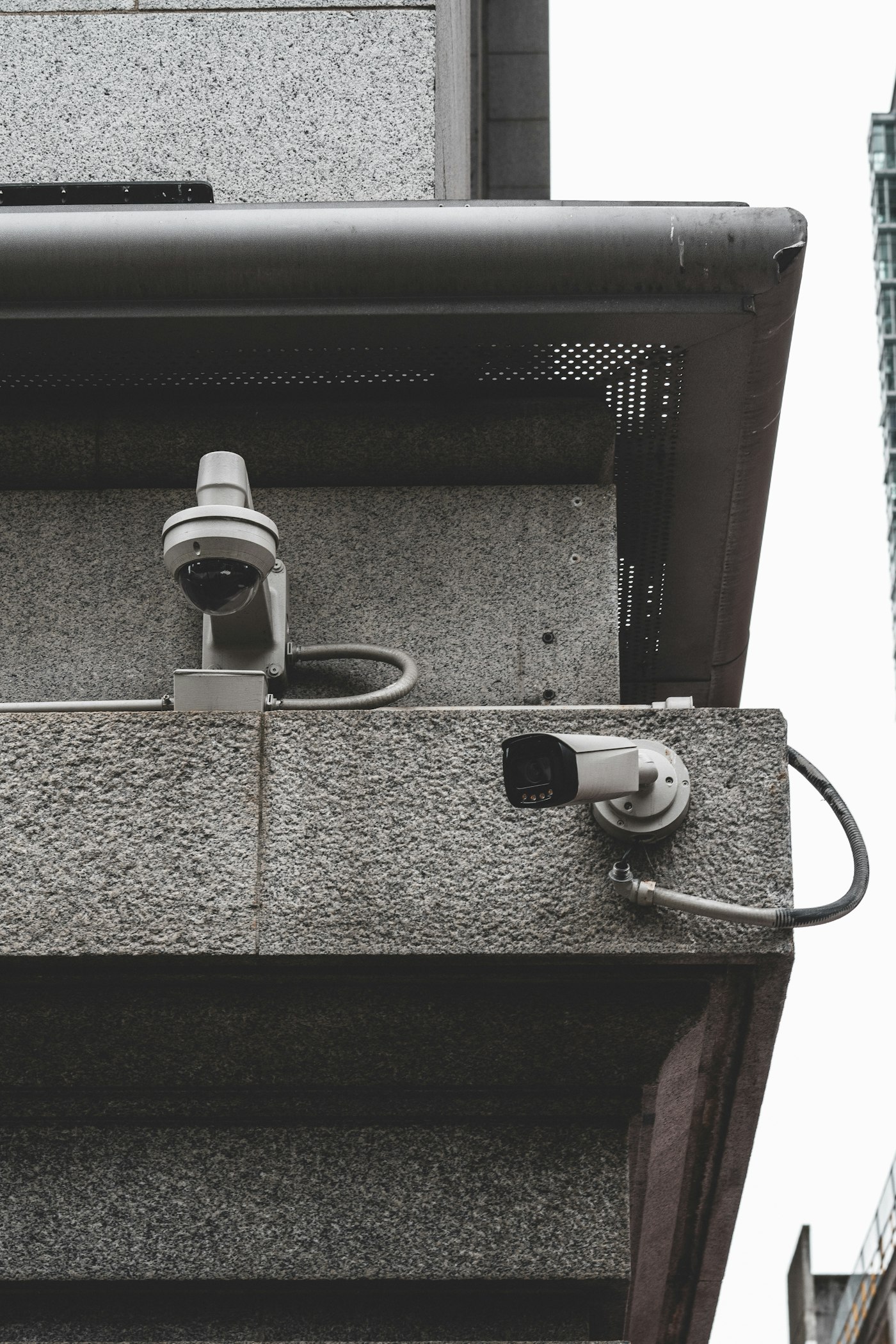
Dome cameras suit indoor spaces and covered areas. They are discreet and hard to tamper with.
Bullet cameras are ideal outdoors for long views along walls, driveways and gates.
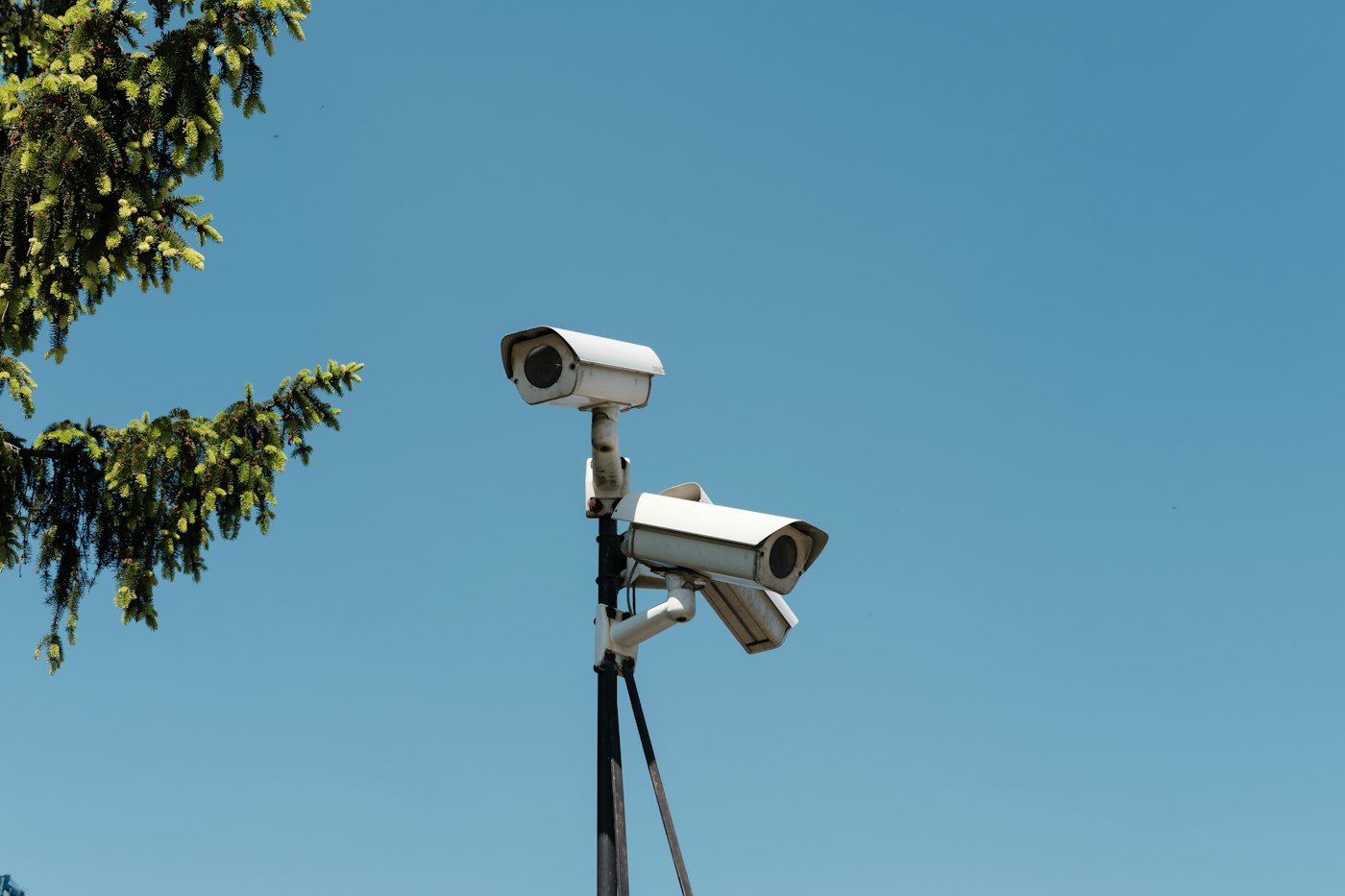
PTZ cameras (pan, tilt, zoom) can be controlled remotely to cover large areas such as compounds and car parks.
IP cameras send high-resolution video over your network and allow advanced features such as motion alerts.
3. Do not overlook night vision and resolution
Most incidents happen at night. Choose cameras with good infrared night vision, and a resolution of at least 1080p (2 MP). For entrances and areas where you need to identify people, 4 MP or higher is better.
4. Plan recording and storage
Cameras connect to a recorder (DVR for analogue systems, NVR for IP systems) with a hard drive that stores footage. Ask how many days of recording the system will keep. For most homes and small businesses, two to four weeks is a good target.
5. Make sure you can view footage remotely
Modern CCTV systems let you watch live and recorded footage on your phone from anywhere. This needs a stable internet connection at the site. Pairing CCTV with reliable fibre internet means you can check on your property at any time.
6. Protect the system’s power
Power outages can switch cameras off exactly when you need them. A UPS or backup power solution keeps your cameras and recorder running. Ceehjay also offers electrical services, so cabling, power and cameras can be installed together.
7. Choose a professional installer
Good installation matters as much as the cameras. A professional installer will survey the site, position cameras for the best coverage, run neat and protected cabling, set up remote viewing and show you how to use the system. Ask any installer about their experience, warranty and after-sales support.
CCTV installation with Ceehjay
Ceehjay designs and installs CCTV systems for homes, offices, schools, apartments and commercial premises. Every project is quoted after a site visit, so you only pay for what your property needs. Learn more about our CCTV installation service.
Starlink has passed 27,000 subscribers in Kenya, according to Communications Authority figures for April to June 2026.
The numbers
Starlink had 27,616 subscriptions on 30 June 2026, up 2,617 from March and 10,191 from a year earlier.
It holds 99.7% of Kenya’s 27,695 satellite internet subscriptions.
That is still only about 1% of Kenya’s 2.84 million fixed internet connections.
A local ground station opened in early 2025 cut latency from about 120 ms to about 53 ms.
Speeds under pressure
Rapid growth has strained capacity. Ookla measured a median Starlink download speed of 34.55 Mbps in Kenya in March 2026, down from about 47 Mbps a year earlier, and Starlink paused new sign-ups in seven counties in early July 2026.
What this means for you
Satellite internet remains an important option for remote sites, farms and areas without cable infrastructure. In towns, estates and campuses, fibre delivers more consistent speeds for the money. Ceehjay also supplies dedicated capacity for businesses that need guaranteed bandwidth.
More Kenyan homes and businesses are switching to fixed internet. According to the Communications Authority of Kenya’s latest sector statistics for the year to June 2026, fixed data and internet subscriptions rose 32.4% to 2.84 million.
Fibre leads the way
Fibre connections grew 29.7% to 1.57 million, more than half of all fixed subscriptions.
Fixed wireless and other technologies grew 471% from a small base.
Satellite subscriptions rose 54.4% to nearly 27,700.
International bandwidth reached 28,950 Gbps, up 18.5%, carried by undersea cables including SEACOM, TEAMS, EASSy, PEACE and 2Africa.
Most homes are on 10–30 Mbps
The report shows most fixed subscriptions sit in the 2–10 Mbps and 10–30 Mbps speed tiers, while connections above 1 Gbps remain rare at 1,853. Legacy DSL connections have almost disappeared, falling to just 23.
What this means for you
Fibre is fast becoming the standard for Kenyan homes because it offers unlimited, stable internet at prices that compete with mobile data. Ceehjay’s fibre-powered packages offer 10 to 30 Mbps from KES 1,500 per month, with free installation within 24 hours. Not sure which speed you need? Read how to choose the best home Wi‑Fi package.
The ICT Authority (ICTA) has opened an international tender to expand Kenya’s national fibre backbone and cross-border connectivity, under the Kenya Digital Economy Acceleration Project (KDEAP).
How the tender works
The programme is financed through USD 390 million in World Bank credits.
Lot 1 covers national backbone links and will appoint between 5 and 20 providers.
Lot 2 covers cross-border and metro links and will appoint between 5 and 8 providers.
Framework agreements run for three years, with an option to extend by up to two more years.
Individual contracts will be awarded through a Multi-Round Reverse Auction on an electronic platform, with technical evaluation carrying 80% of the score.
Bids closed on 29 October 2026 at Telposta Towers, Nairobi.
The bigger picture
Kenya is targeting 100,000 km of national fibre under its Digital Superhighway programme. Public-sector fibre has grown from about 22,486 km in 2022 to more than 30,400 km. A stronger backbone with more redundancy means faster, more reliable internet for homes, schools and businesses, and makes it easier for local providers to reach new areas.
As backbone capacity grows, providers like Ceehjay can deliver more dedicated capacity and fibre-powered connections to the last mile.
For university and college students in Kenya, the internet is part of everyday learning. Assignments are submitted online, lecture notes are shared on portals, research happens on digital libraries and many classes now include online sessions. Yet for many students, the cost of mobile data bundles makes staying connected a daily struggle.
The cost of staying connected
Students who rely on mobile data often have to choose between buying bundles and meeting other basic needs. When data runs out, they fall behind on coursework, miss online classes or crowd into the few places on campus where Wi‑Fi works. This digital divide affects grades, research and future job prospects.
How affordable campus Wi‑Fi works
Instead of each student buying expensive data, a campus-wide Wi‑Fi network delivers fibre-powered internet across hostels, lecture halls, libraries and common areas. Students pay small, flexible amounts for access, by the hour, day, week or month, so they only spend what they can afford. Through Ceehjay’s Last Mile Connectivity programme, student internet starts from as little as KSh 5 per hour.
Benefits for students
Lower costs than mobile data for the same amount of studying and research.
Faster, more reliable internet for downloads, video lectures and online exams.
Coverage where students live and study, including hostels and libraries.
Flexible bundles that fit a student budget.
Benefits for institutions
Better academic outcomes as students can access learning resources anytime.
A modern campus experience that attracts and retains students.
Reliable internet for staff, administration and e-learning systems.
A partner that designs, installs and maintains the network.
What goes into a campus network?
A campus Wi‑Fi project typically includes a fibre backbone between buildings, structured cabling, outdoor and indoor access points, network switches and a management system for student access and billing. Ceehjay begins every project with a free site inspection and technical survey, then designs a network that fits the size and layout of the campus.
Bringing campus Wi‑Fi to your institution
Universities, colleges, TVET institutions and schools can partner with Ceehjay to bring affordable internet to their students. We handle design, installation and ongoing support so your team can focus on teaching.
Through our Last Mile Connectivity programme, student internet starts from KSh 5 per hour. Daily, weekly and monthly options are available; ask your campus for details.
Does the institution pay for installation?
Every project is different. Contact us for a free site survey and a proposal that fits your institution.
Can hostels near campus be connected too?
Yes. We can extend coverage to hostels and student apartments near campus. Landlords can also partner with us directly.
Kenya’s push to take the internet to rural communities has reached Keiyo South in Elgeyo Marakwet County, where a new public Wi‑Fi hotspot has been installed at Nyaru Centre.
Reusing existing infrastructure
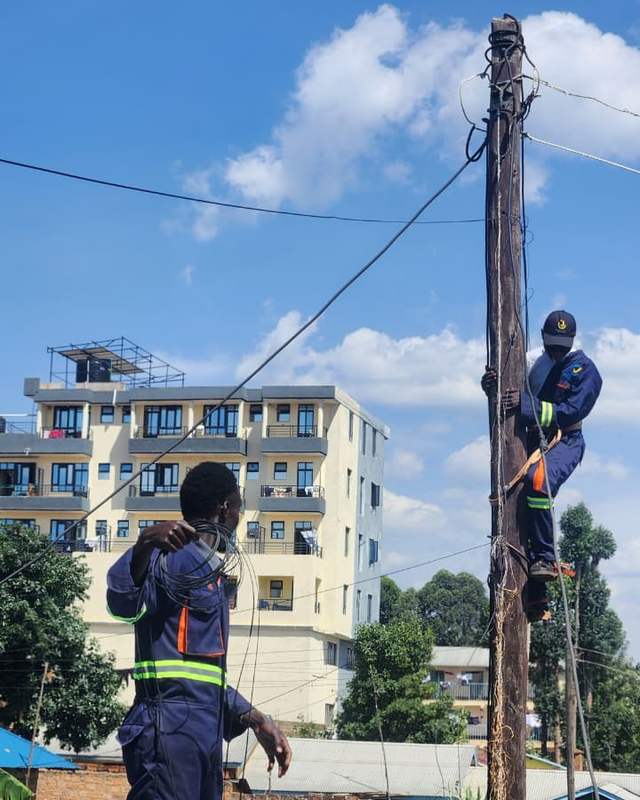
ICT and Digital Economy Principal Secretary John Kipchumba Tanui toured the area alongside Keiyo South MP Gideon Kimaiyo and officials from Konza Technopolis, the ICT Authority and the Office of the Data Protection Commissioner. The Nyaru hotspot uses existing Kenya Power infrastructure to support fibre rollout, an approach the PS said lowers deployment costs and shortens the time it takes to connect communities.
A digital hub for Chepkorio
The team also inspected the ongoing construction of the Chepkorio Centre of Excellence Digital Hub, a collaboration between the State Department for ICT, Konza Technopolis and the Communications Authority. The hub is planned to support ICT training, local software development and remote work.
Why last-mile connectivity matters
Free and affordable Wi‑Fi gives traders, young people and small businesses access to e-government services, online marketplaces and new customers. It is the same goal behind Ceehjay’s Last Mile Connectivity programme, which brings affordable internet to campuses and communities.